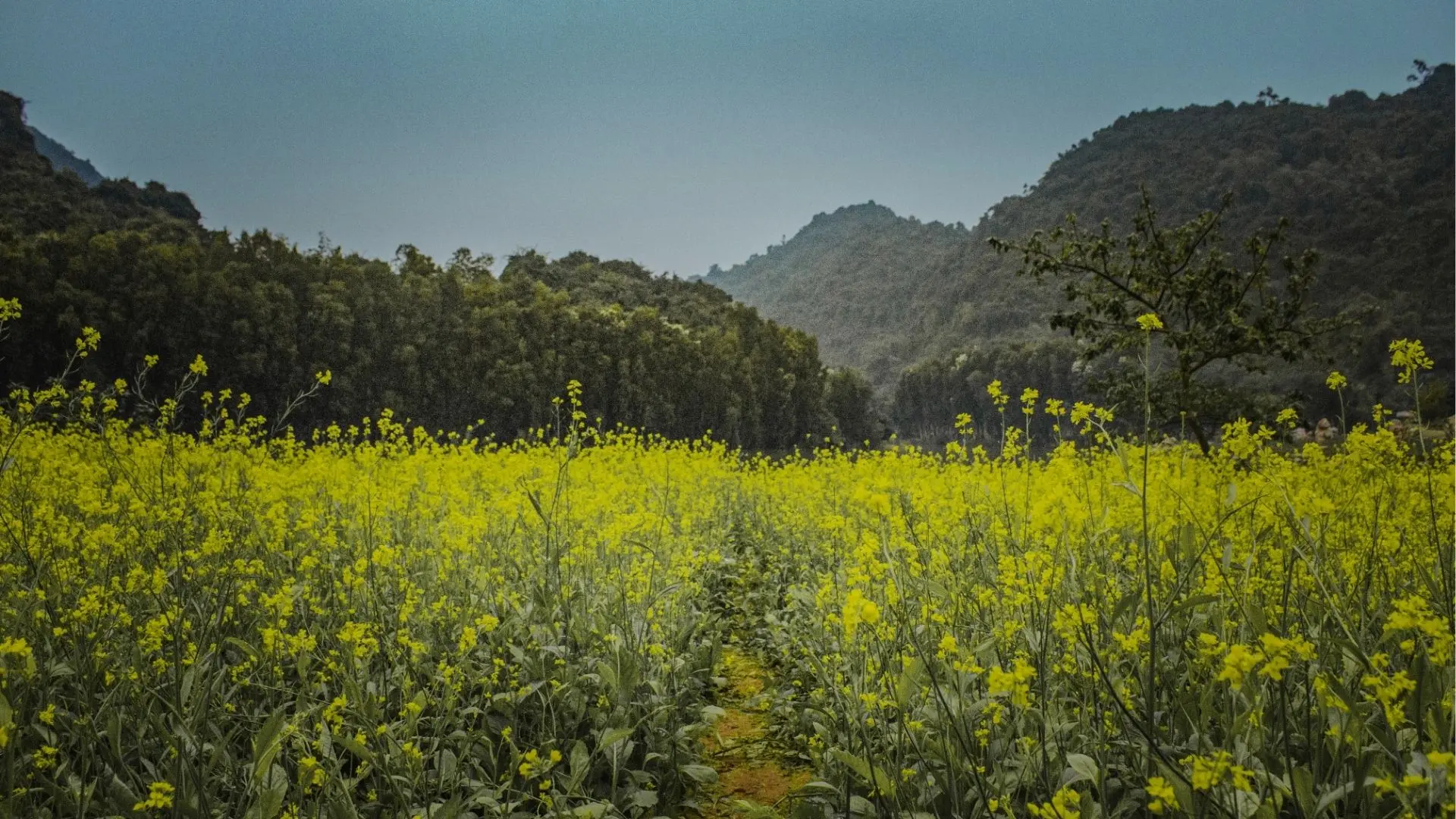
South India – Temples, Tropical Landscapes, and a Slower Rhythm of Travel
South India offers a relaxed journey through palm-lined backwaters, ancient temples, lush hills, and vibrant coastal culture.
All our trips to South India
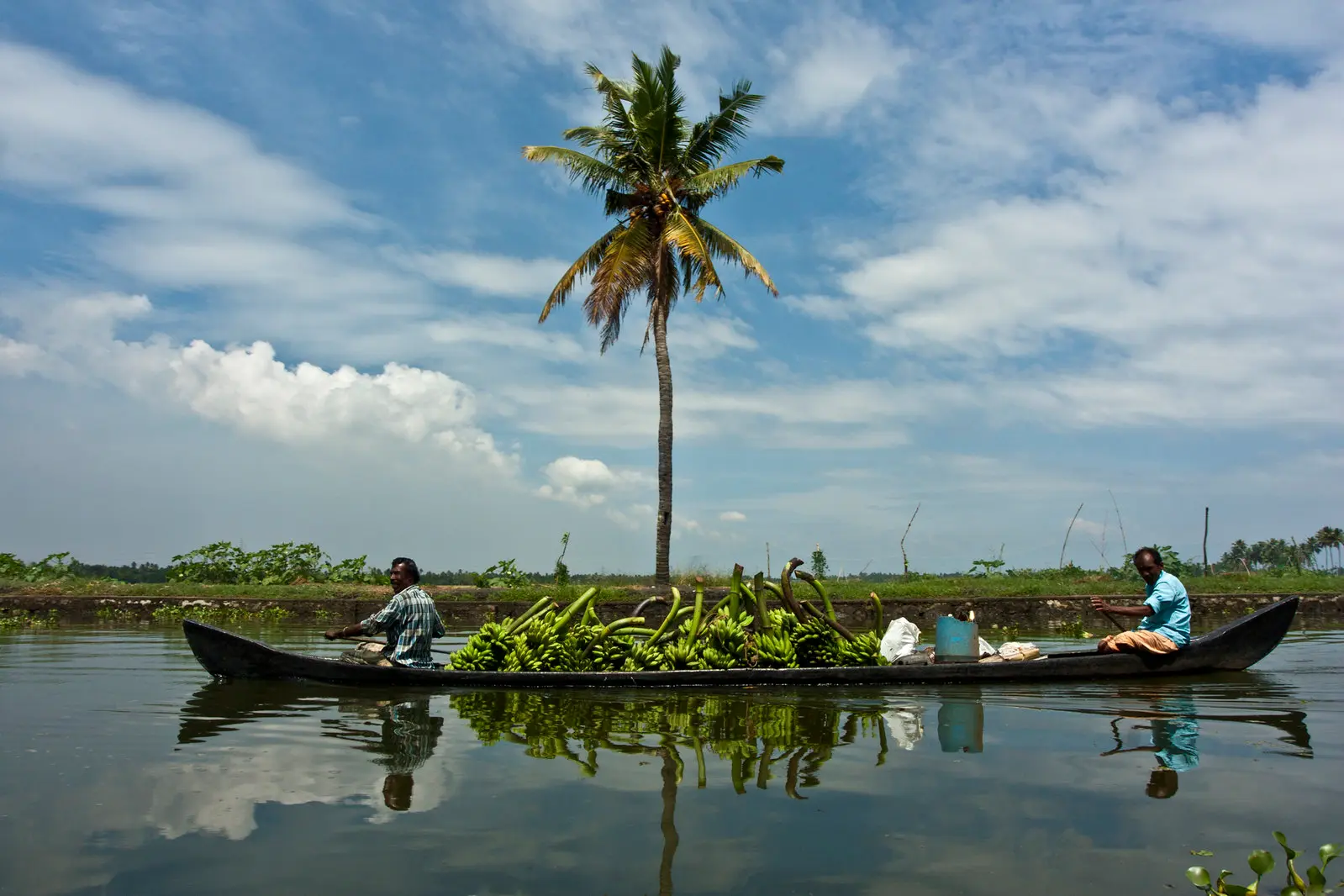
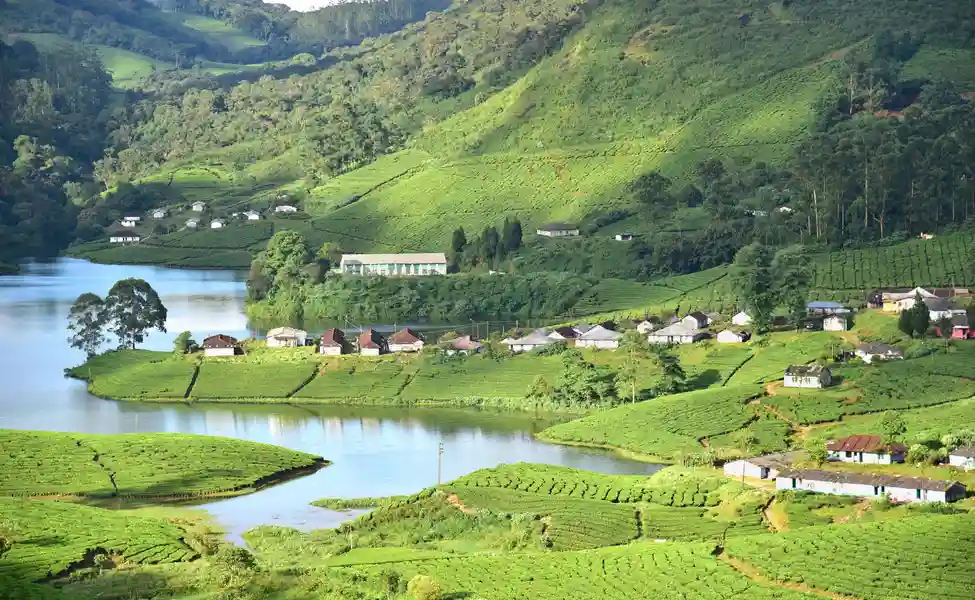
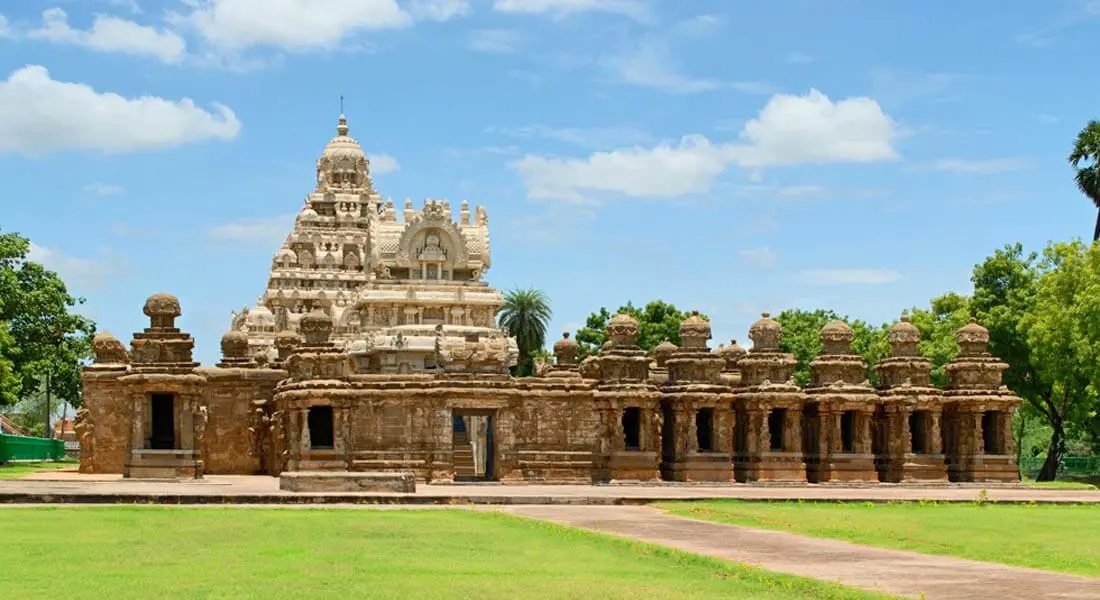
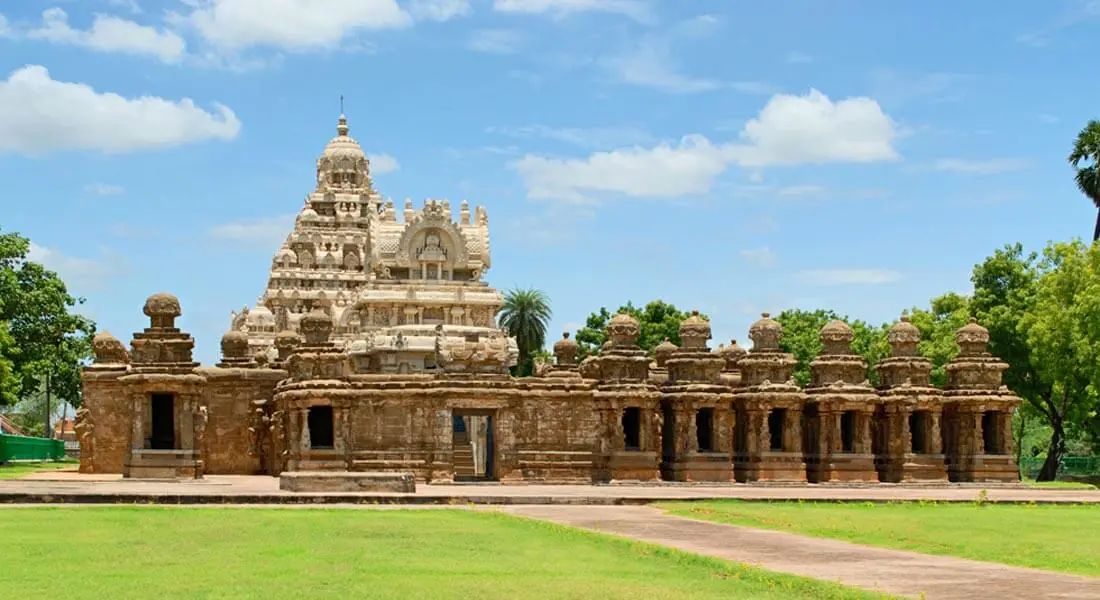
South India presents a different side of the country, where tropical landscapes, ancient traditions, and a slower rhythm of life shape the travel experience. The region is known for its magnificent temples, peaceful waterways, spice plantations, and coastal towns that reflect centuries of culture and trade. One of the most famous destinations in the region is Kerala, often referred to as “God’s Own Country.” Kerala is known for its tranquil backwaters, a network of canals, lagoons, and lakes lined with palm trees and village life. Travelers often explore these waterways on traditional houseboats, drifting past rice fields, coconut groves, and small villages where life unfolds quietly along the water. Kerala is also renowned for its lush hill stations such as Munnar, where rolling tea plantations cover the slopes of the Western Ghats. These cool mountain landscapes offer a refreshing contrast to the tropical coastline and provide opportunities for nature walks, scenic drives, and visits to tea estates. Further east, Tamil Nadu reveals a remarkable concentration of temple architecture. Cities such as Madurai, Thanjavur, and Mahabalipuram are home to grand temples that have stood for centuries. The Meenakshi Temple in Madurai, with its towering colorful gateways and intricate sculptures, is one of the most extraordinary religious monuments in India. South India also offers beautiful coastlines along the Arabian Sea and the Bay of Bengal. Coastal towns and fishing villages maintain a relaxed atmosphere, where visitors can enjoy beaches, fresh seafood, and stunning sunsets over the ocean. The region’s culture is deeply rooted in tradition. Classical dance, temple rituals, local festivals, and distinctive cuisine are all part of everyday life. South Indian cuisine, known for its fragrant spices, rice dishes, and coconut-based flavors, is widely regarded as one of the most flavorful culinary traditions in India. The best time to visit South India is generally between November and March, when the weather is more comfortable for exploring cities, temples, and natural landscapes. However, the region can be visited throughout much of the year depending on the destinations included in the itinerary. Travel in South India is often less hurried than in the country’s northern cities. The region invites travelers to slow down, absorb the atmosphere, and enjoy the balance between culture, nature, and daily life.
Curated Experiences
Handpicked destinations and activities for authentic cultural immersion.
Small Groups
Intimate group sizes for personalized attention and deeper connections.
Sustainable Travel
Eco-friendly practices supporting local communities and environments.
Safety First
Comprehensive safety measures for worry-free exploration.
To travel is to discover that everyone is wrong about other countries.

South India offers a journey filled with serenity, color, and tradition. From peaceful backwaters and misty tea hills to ancient temples and coastal villages, the region reveals a side of India that feels deeply authentic and wonderfully relaxed. For travelers seeking culture, nature, and quiet beauty, South India offers an unforgettable experience.
Explore Beautiful Destinations
Discover amazing places around the world



North East India
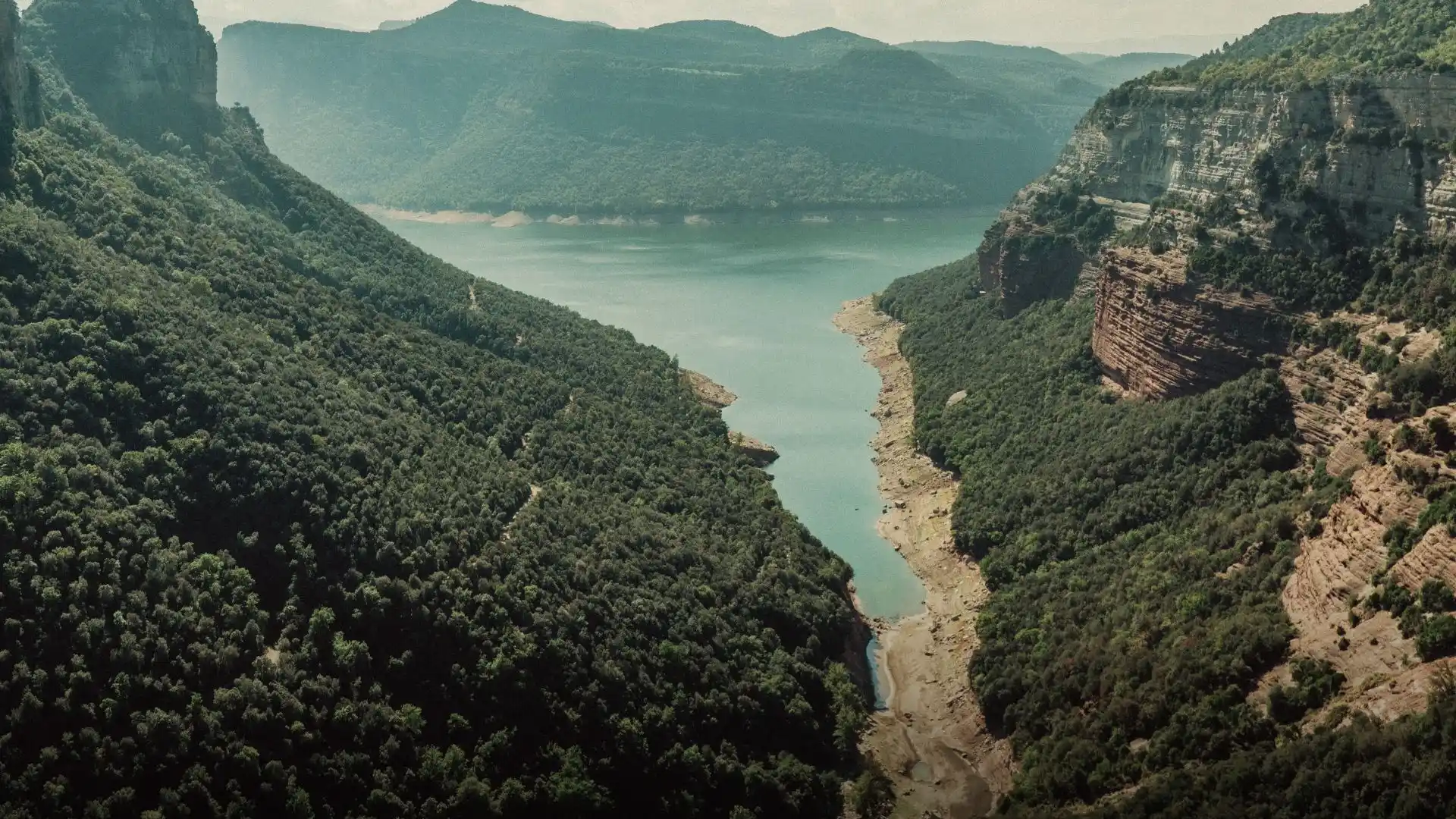
North East India – A Hidden World of Hills, Forests, and Living Traditions
Explore Now