North India – Palaces, Sacred Rivers, and the Heart of Indian History
All our trips to North India
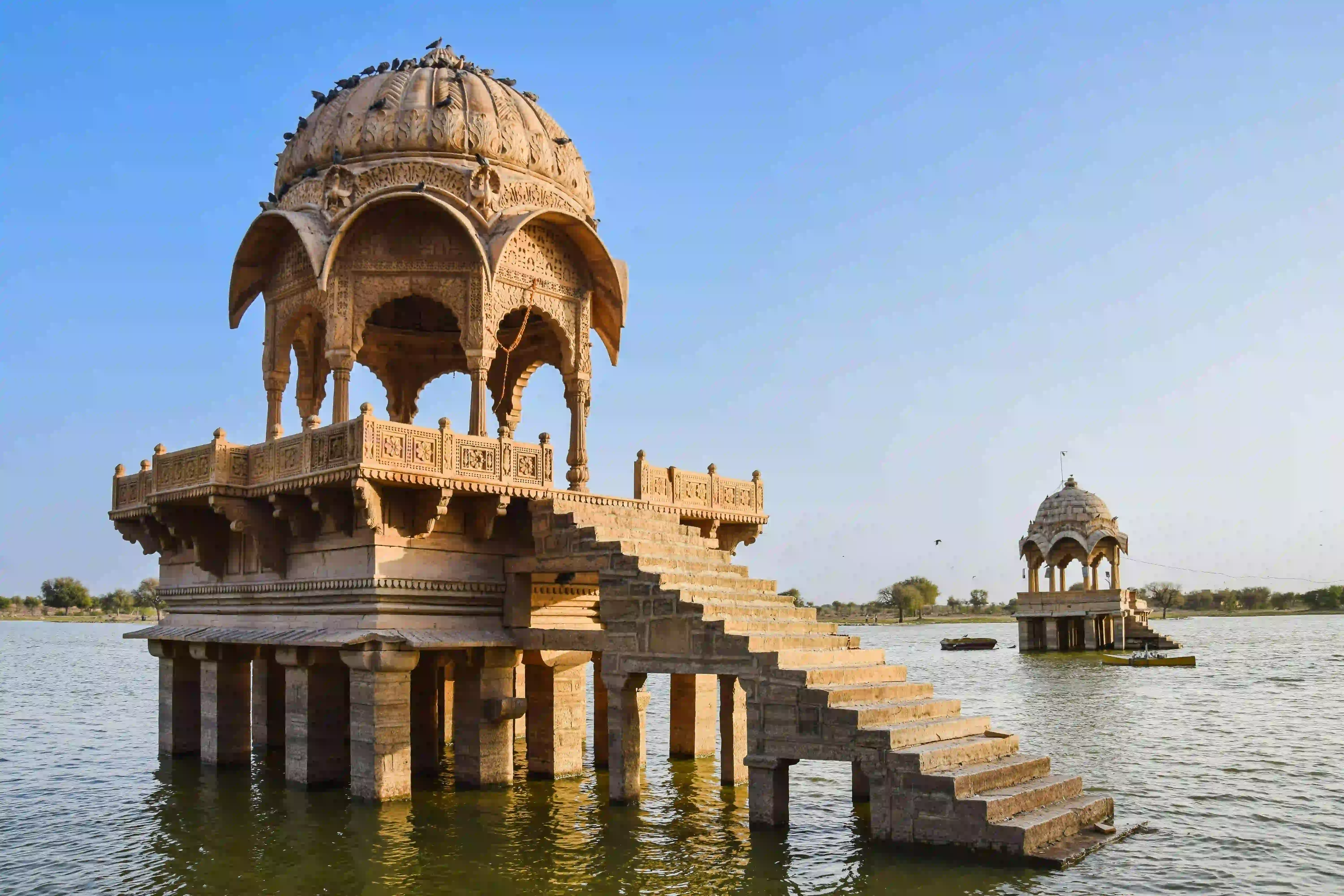
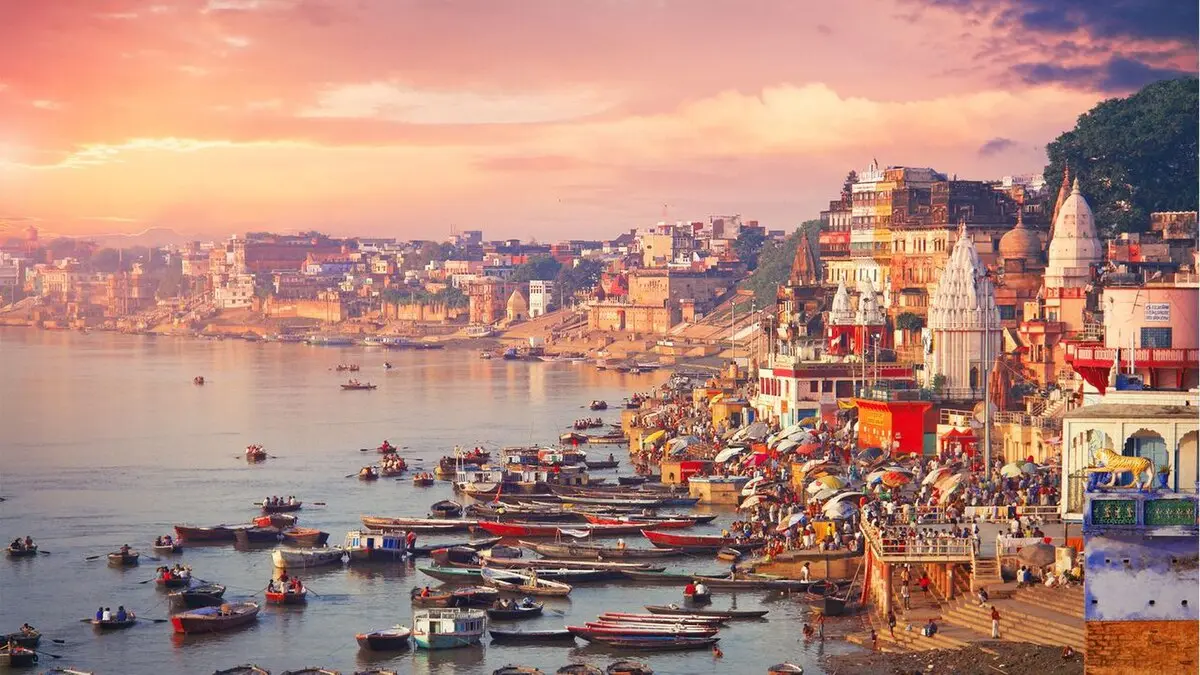
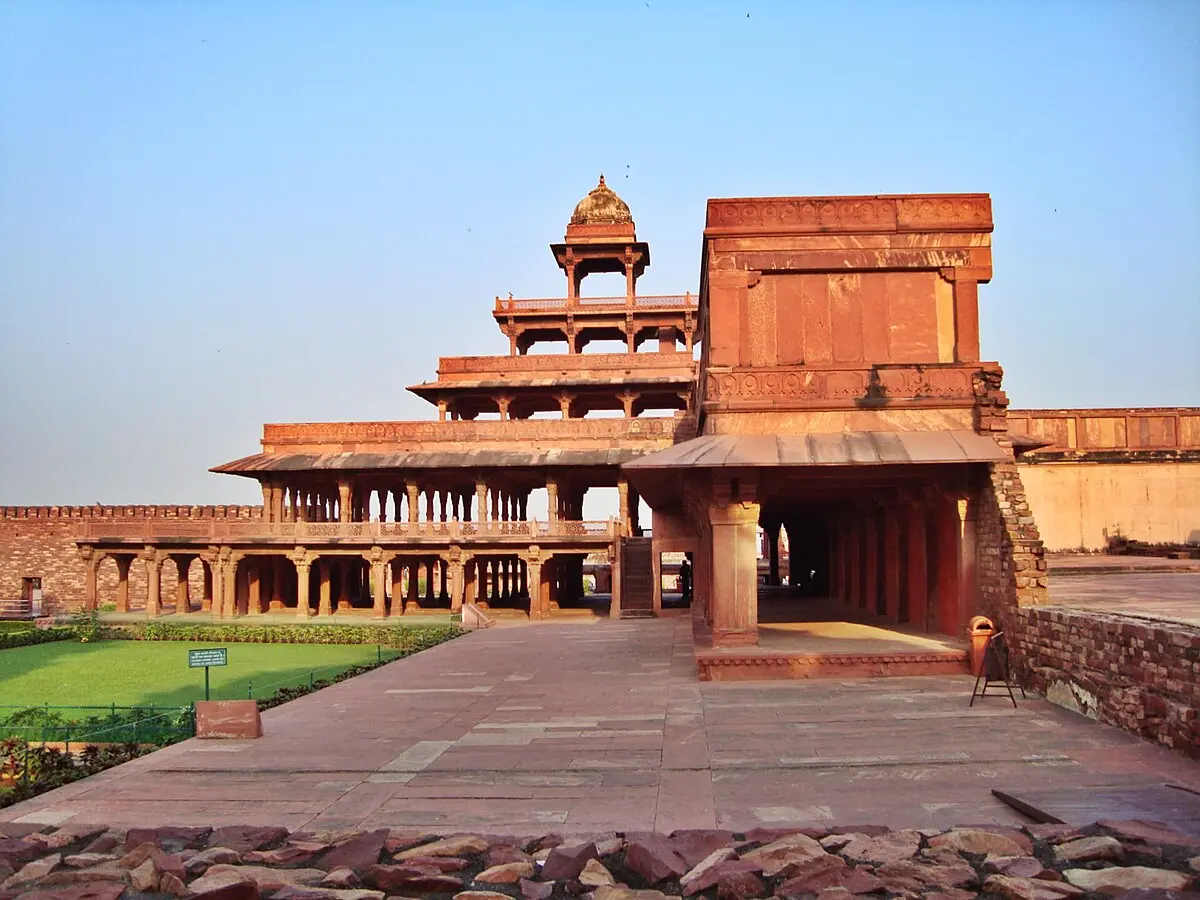
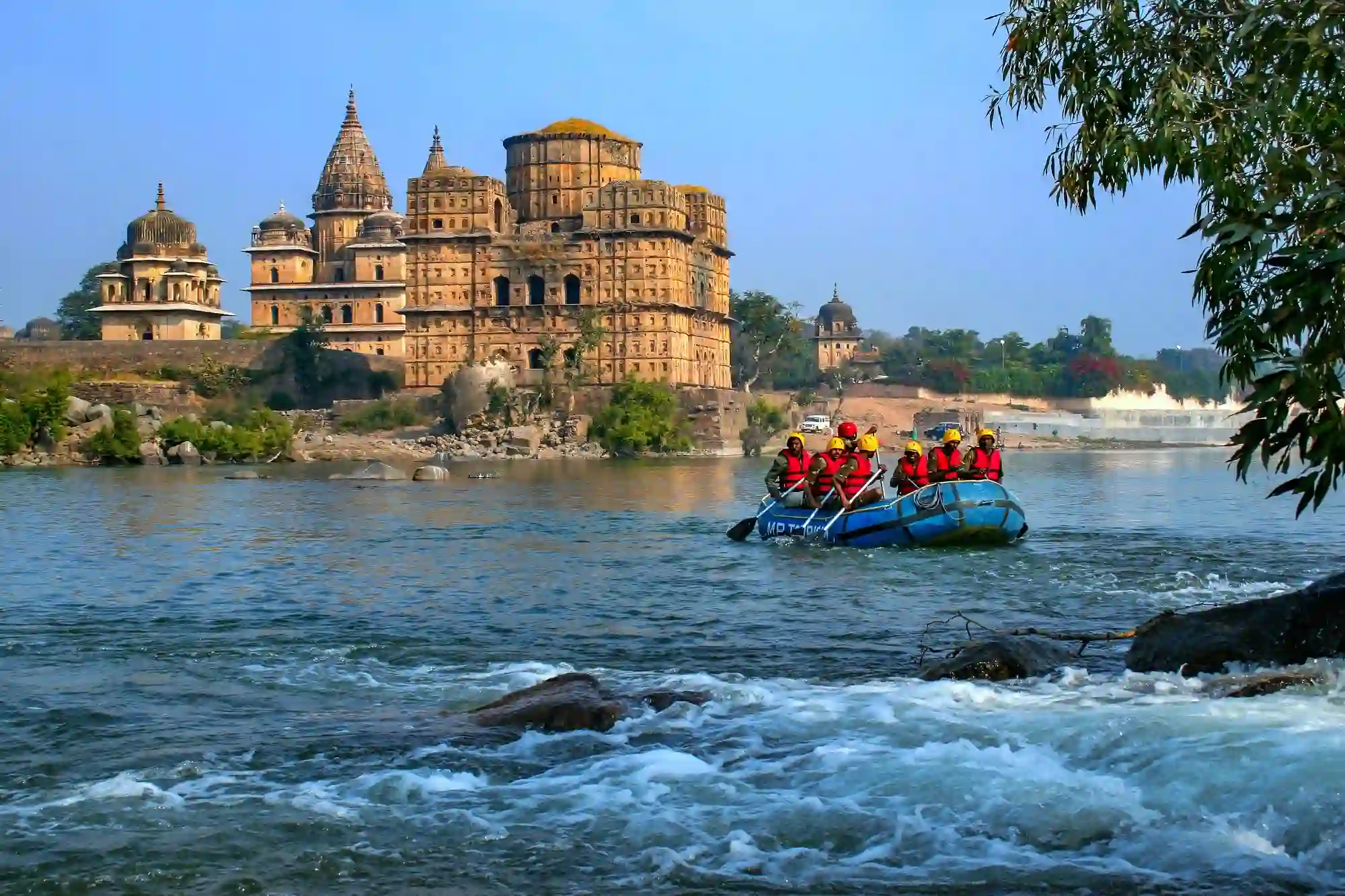
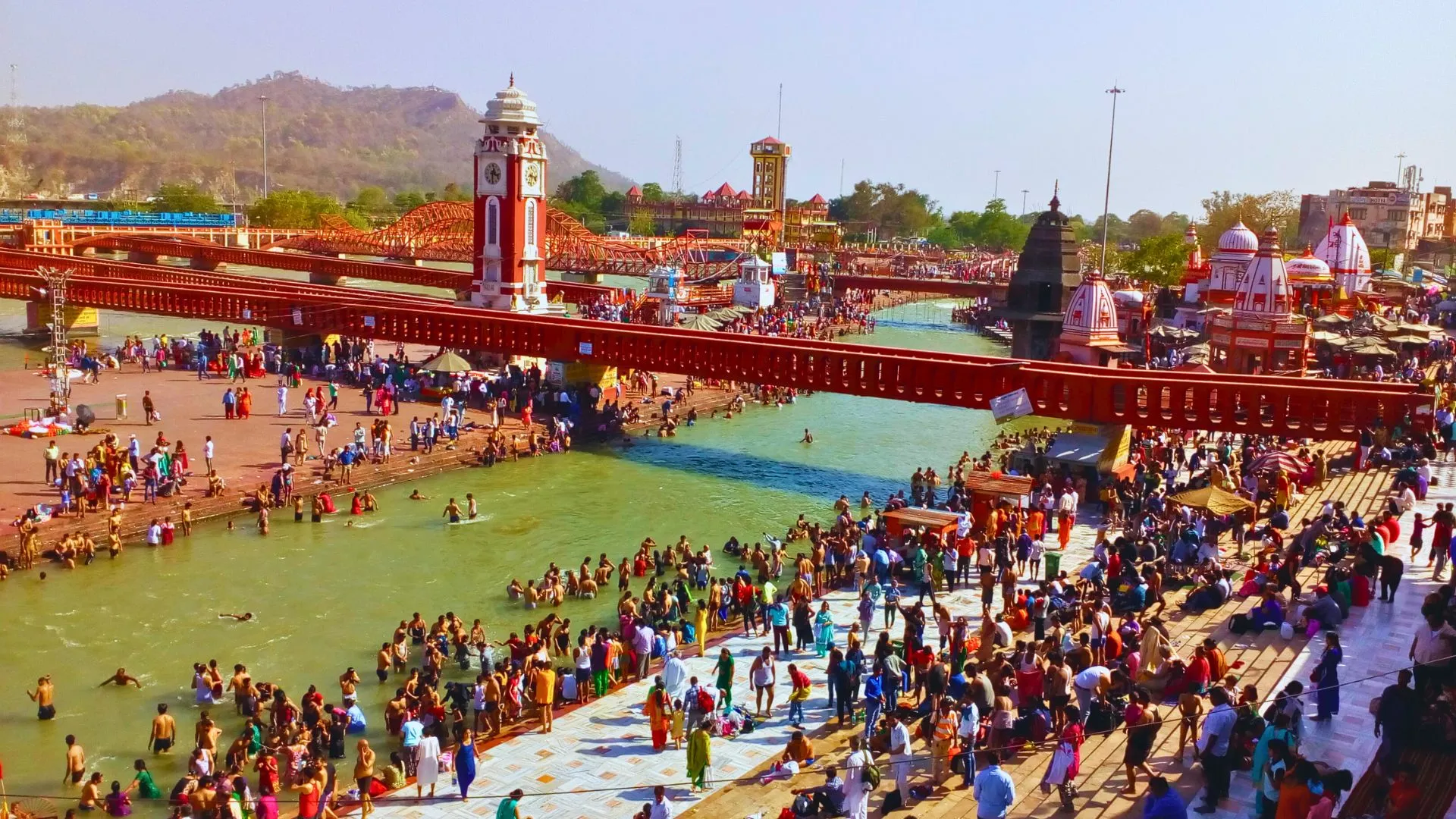
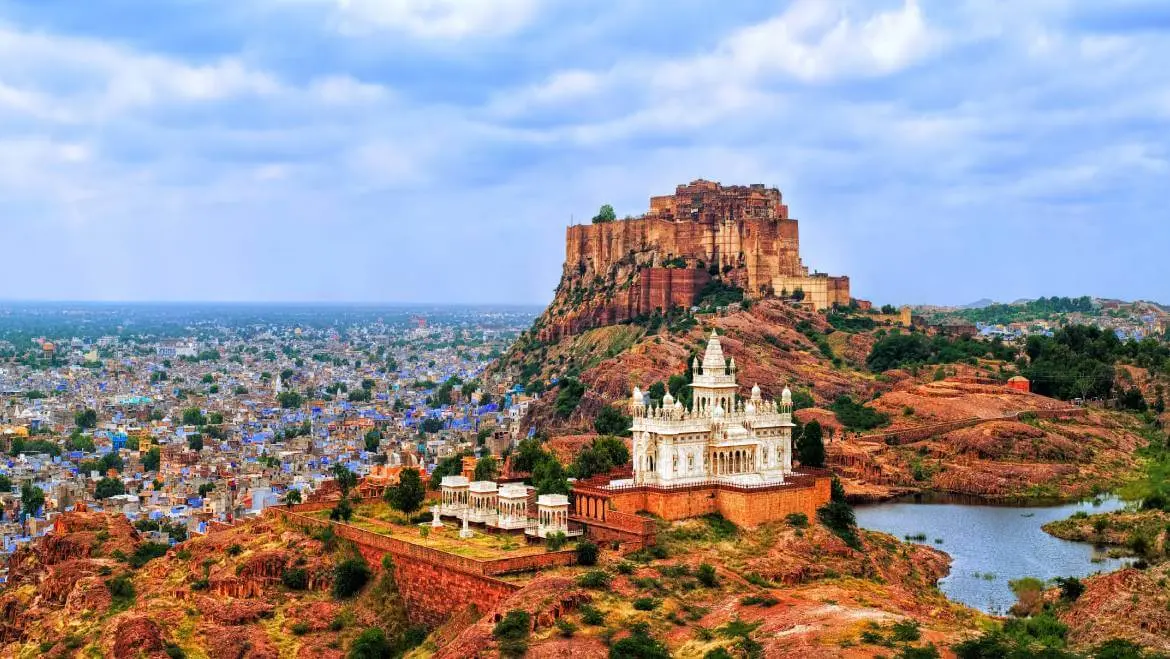
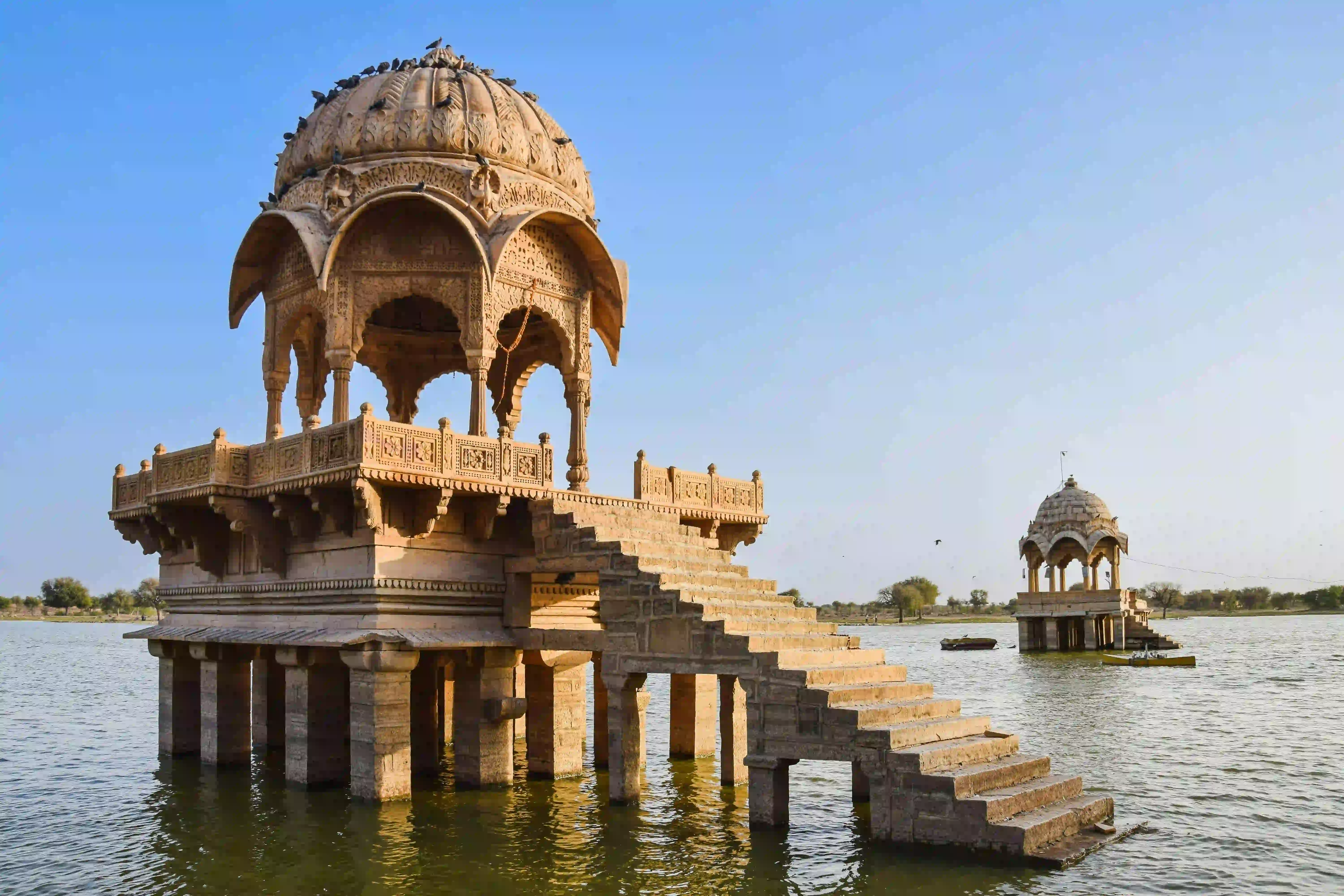
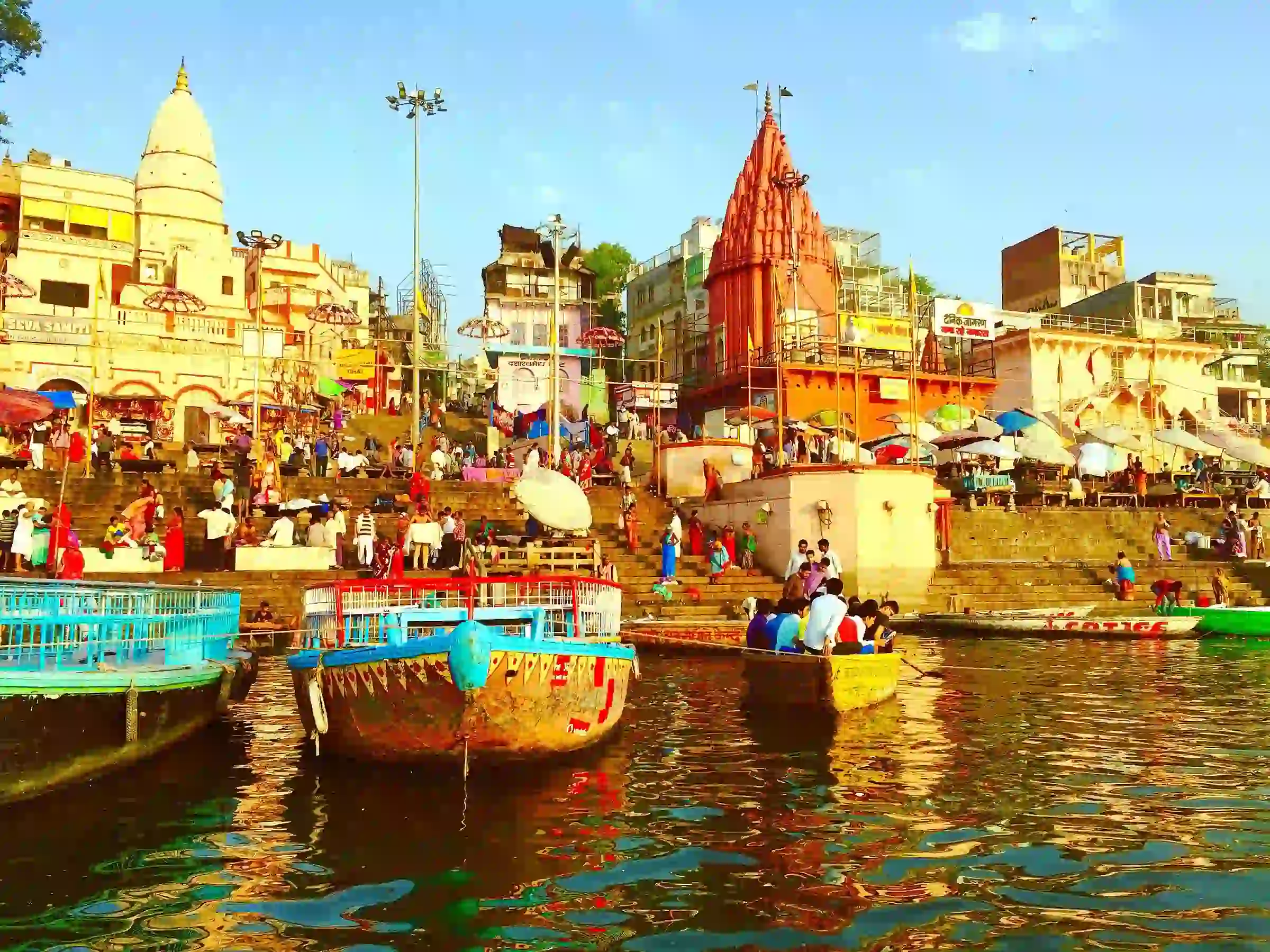
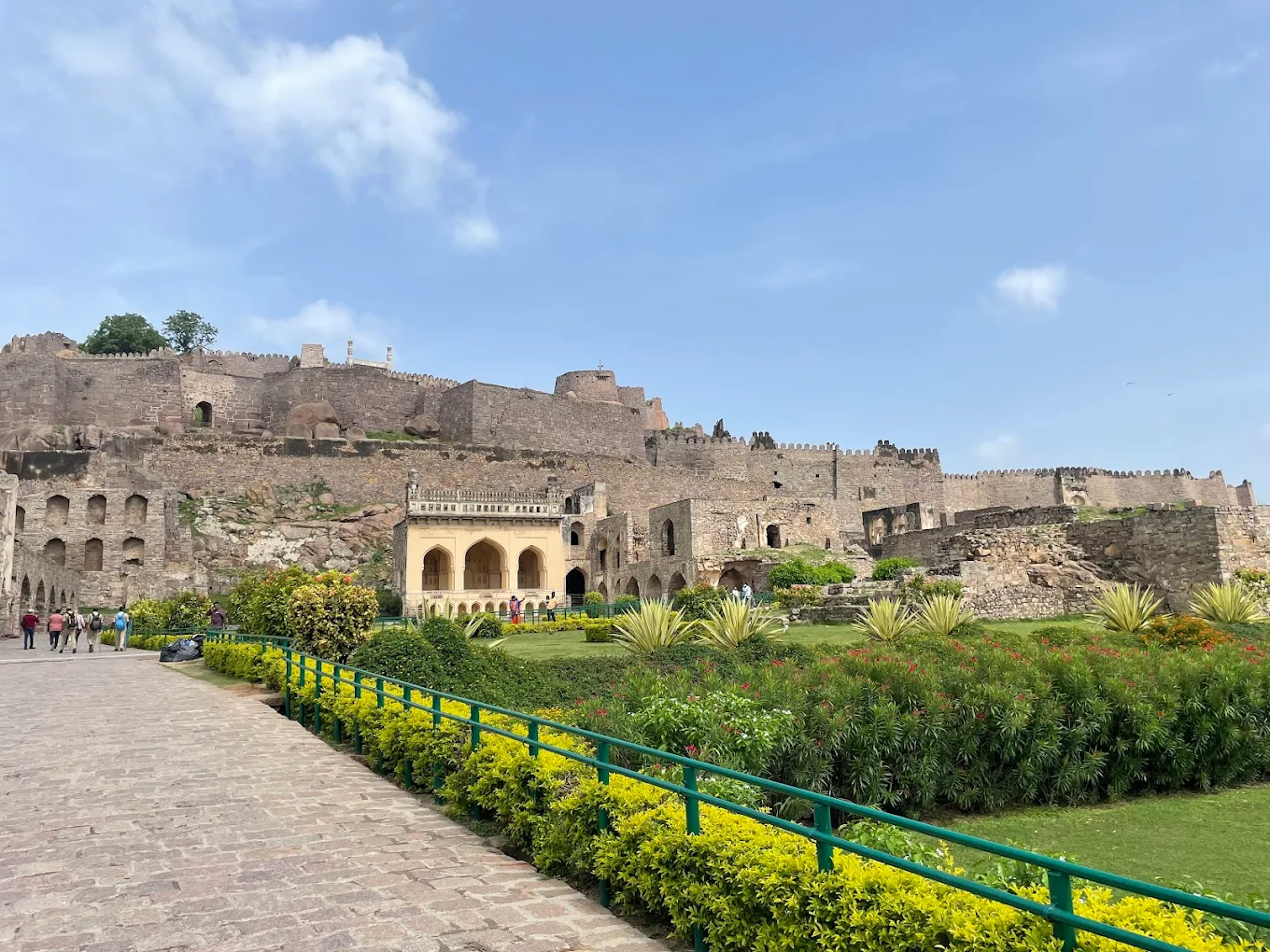
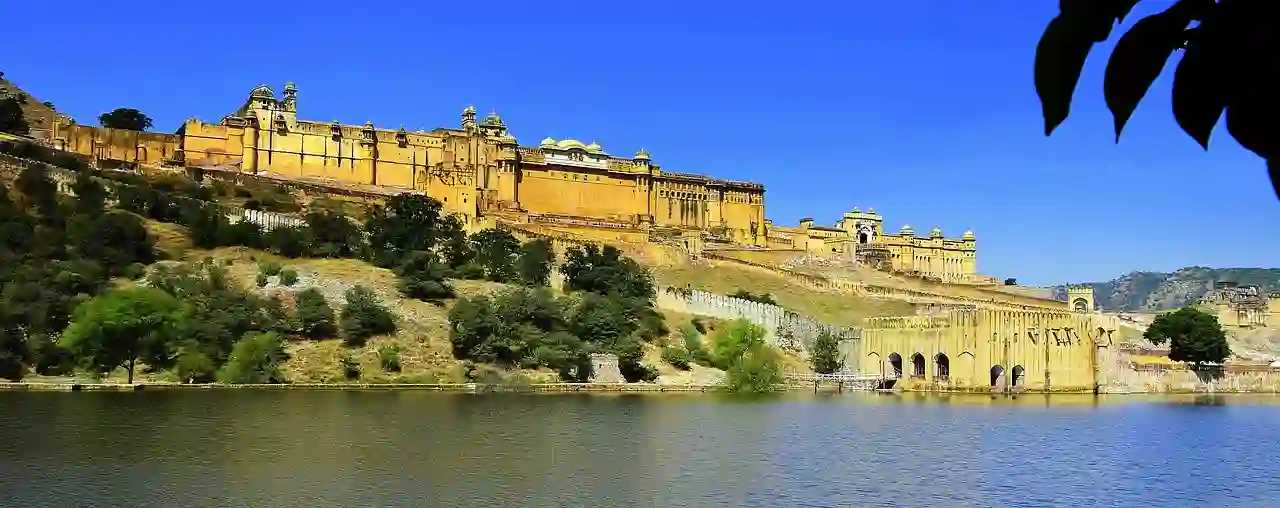
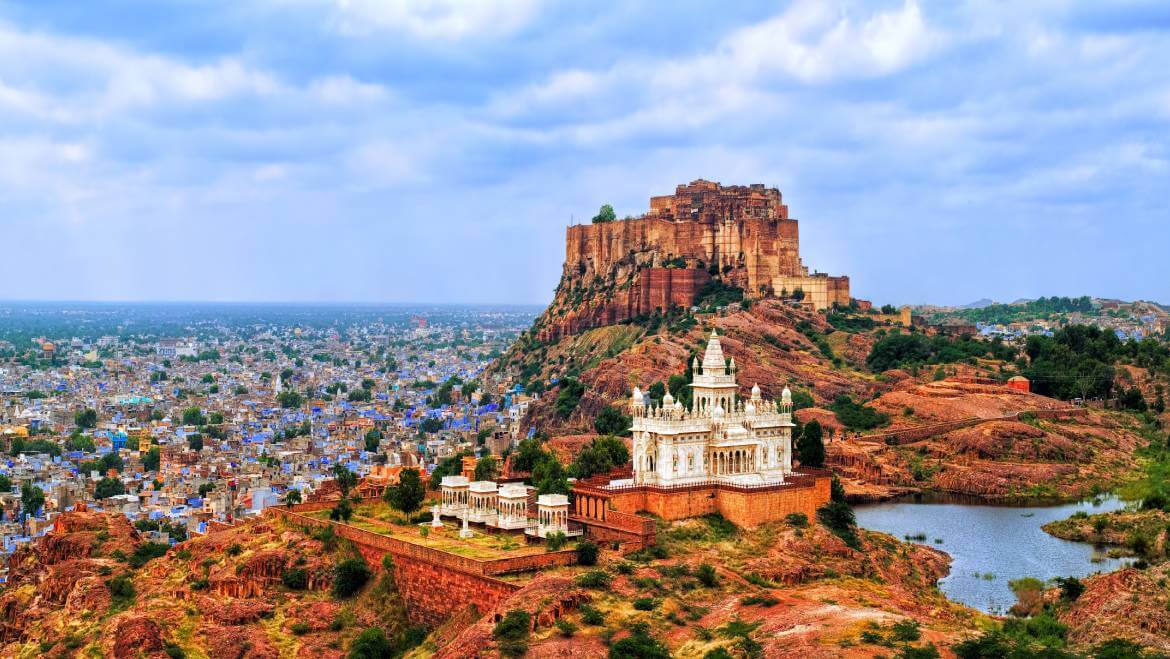
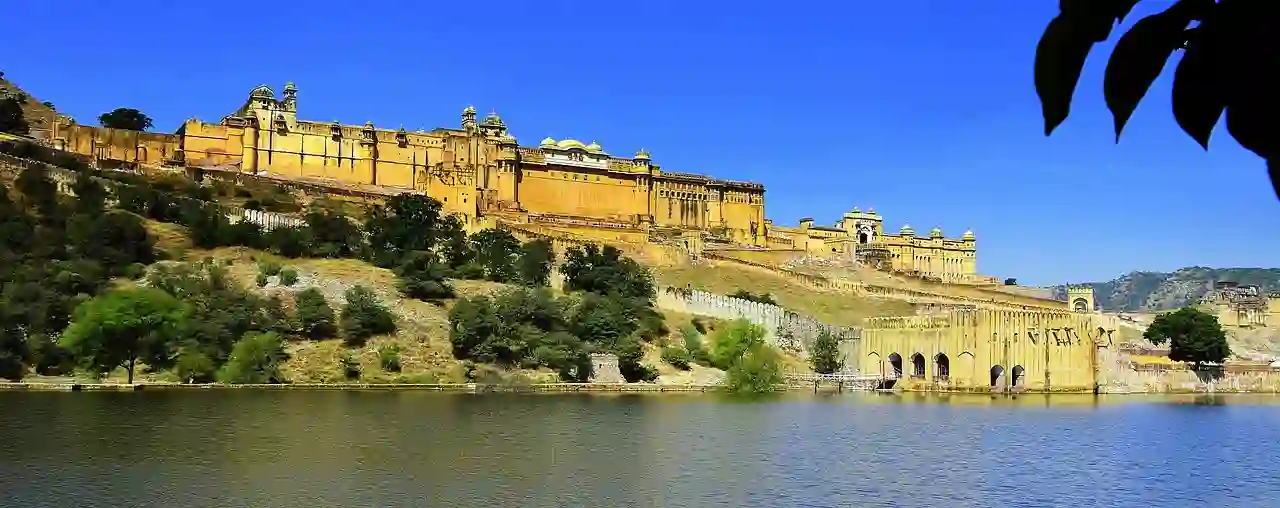
North India is often the first region travelers explore when discovering the country. It is a land where centuries of history, powerful empires, and living traditions have shaped some of India’s most famous cities and monuments. At the center of the region lies Delhi, India’s vibrant capital and a city that reflects the country’s many historical layers. Ancient forts, Mughal monuments, colonial architecture, bustling markets, and modern neighborhoods exist side by side. Exploring Old Delhi’s narrow lanes, visiting the grand Jama Masjid mosque, and walking through historic sites such as Humayun’s Tomb offer a glimpse into the city’s long and fascinating past. A short journey from Delhi leads to Agra, home to one of the world’s most celebrated monuments. The Taj Mahal, built in the 17th century by Mughal emperor Shah Jahan, remains one of the most beautiful architectural achievements ever created. Nearby, the impressive Agra Fort reveals the power and sophistication of the Mughal Empire. Further west lies Rajasthan, often described as the land of kings. This region is famous for its majestic palaces, desert forts, colorful cities, and royal heritage. Cities such as Jaipur, Jodhpur, and Udaipur showcase remarkable architecture and vibrant culture. Jaipur’s Amber Fort and pink-hued streets, Jodhpur’s towering Mehrangarh Fort, and Udaipur’s romantic lakes and palaces are among the highlights of the region. North India also offers powerful spiritual experiences. Along the banks of the Ganges River, the sacred city of Varanasi has been a center of faith and pilgrimage for thousands of years. Witnessing evening prayer ceremonies on the ghats, where lamps and chants illuminate the river, remains one of the most memorable cultural experiences in India. Beyond its historic cities, North India also features dramatic natural landscapes. The Thar Desert in Rajasthan reveals golden sand dunes and desert villages, while nearby national parks such as Ranthambore offer opportunities to spot wildlife, including the elusive Bengal tiger. The best time to visit North India is usually between October and March, when the weather is cooler and ideal for exploring cities, monuments, and desert landscapes. Traveling through North India means stepping into a region where every city tells a story and every monument reflects centuries of art, faith, and royal ambition.
Curated Experiences
Handpicked destinations and activities for authentic cultural immersion.
Small Groups
Intimate group sizes for personalized attention and deeper connections.
Sustainable Travel
Eco-friendly practices supporting local communities and environments.
Safety First
Comprehensive safety measures for worry-free exploration.
Once you have been to India, the rest of the world seems somehow less interesting.
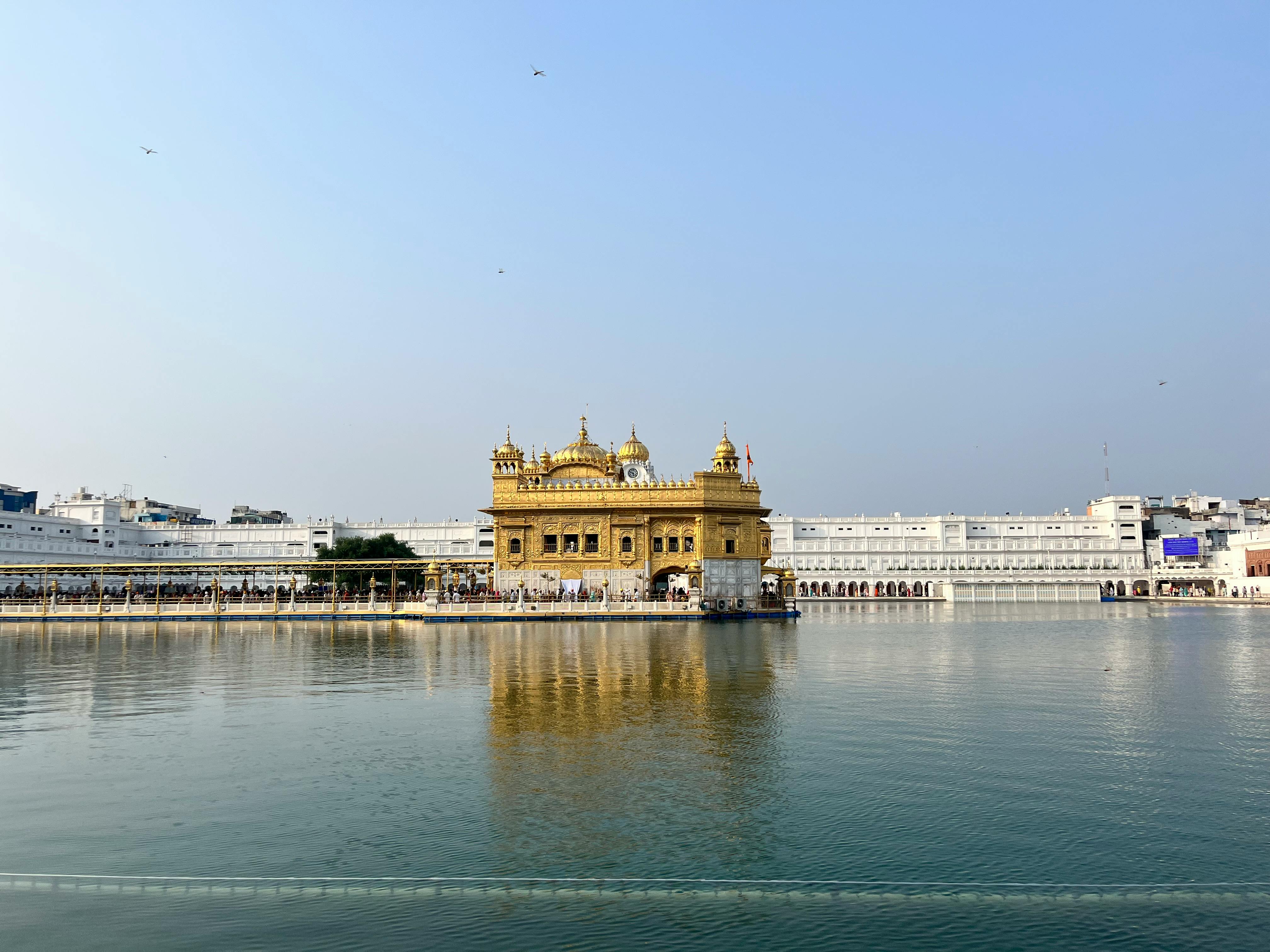
North India offers travelers a powerful introduction to the country’s history, culture, and spiritual life. From the timeless beauty of the Taj Mahal and the royal palaces of Rajasthan to sacred river cities and desert landscapes, the region captures the essence of India in a journey filled with unforgettable moments.
Explore Beautiful Destinations
Discover amazing places around the world
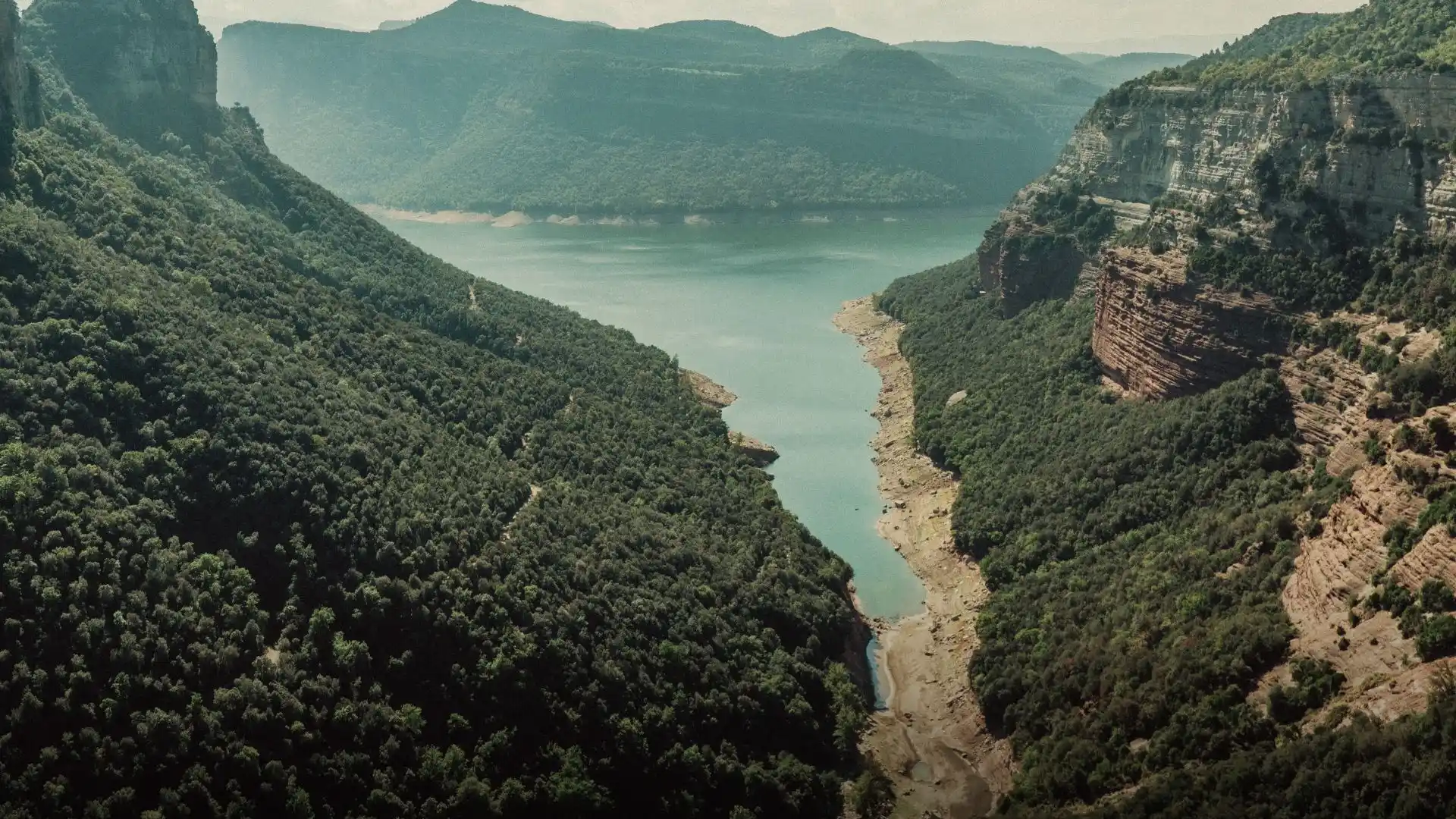
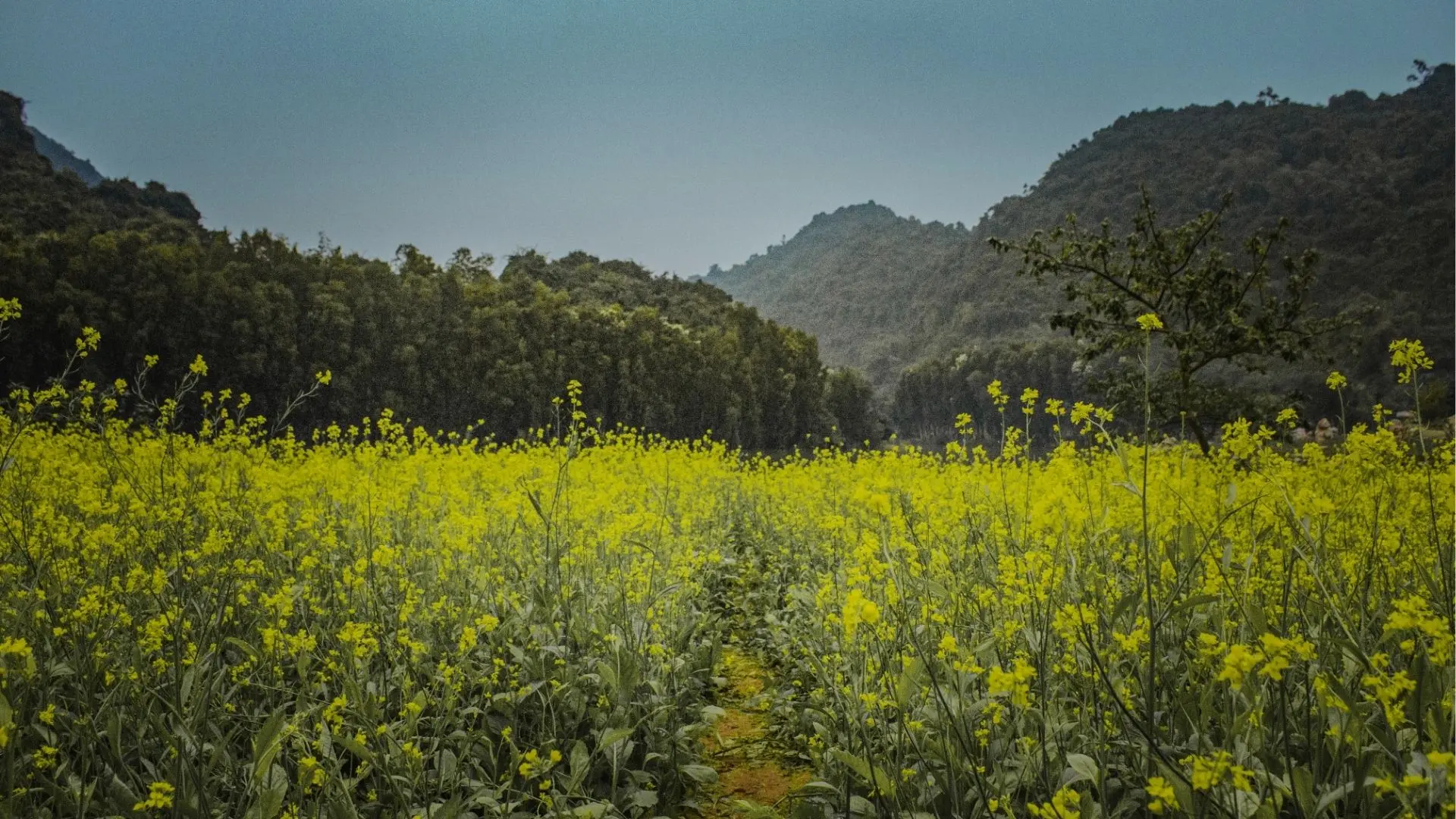




North East India
North East India – A Hidden World of Hills, Forests, and Living Traditions
Explore Now