
North East India – A Hidden World of Hills, Forests, and Living Traditions
North East India is a beautiful yet lesser-explored region known for its misty mountains, tea gardens, tribal cultures, and rich natural landscapes.
All our trips to North East India
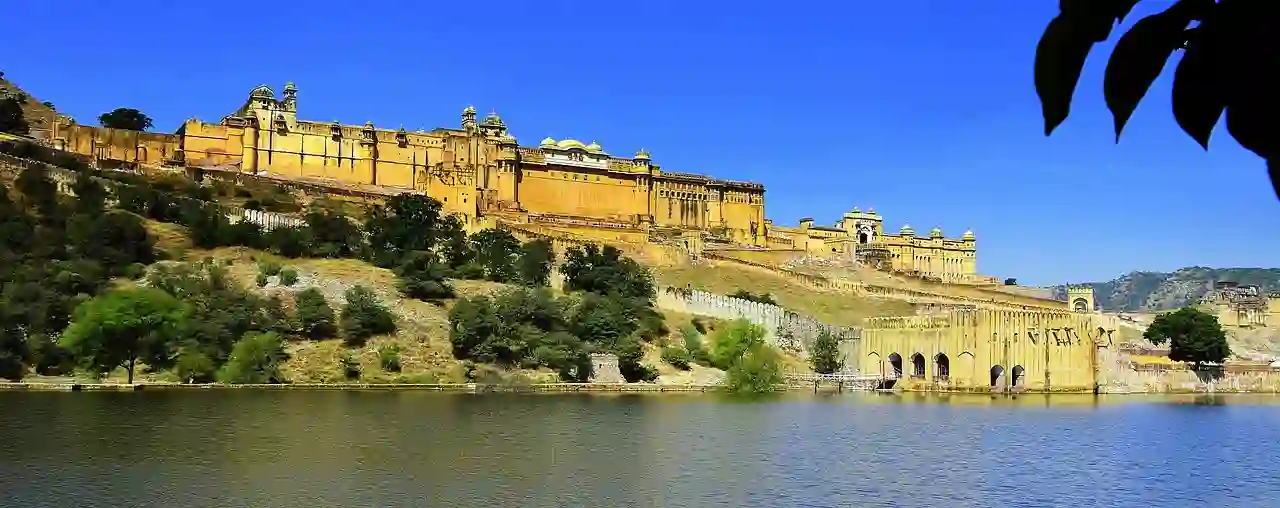
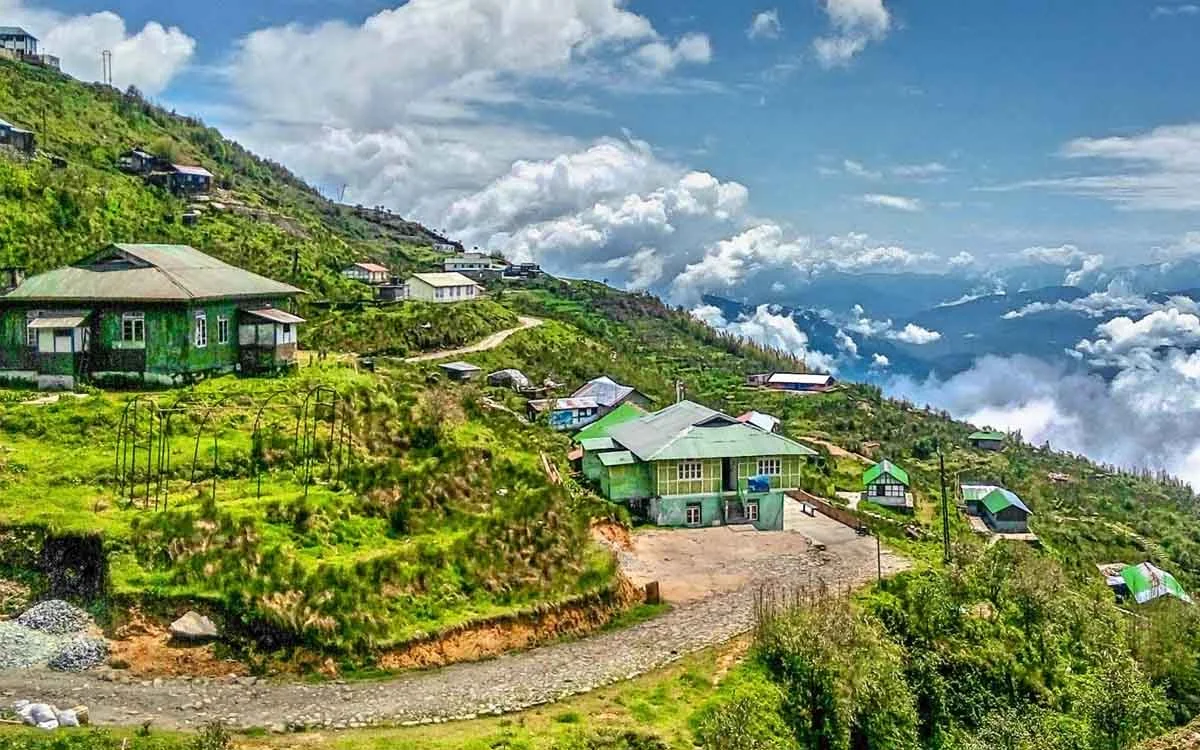
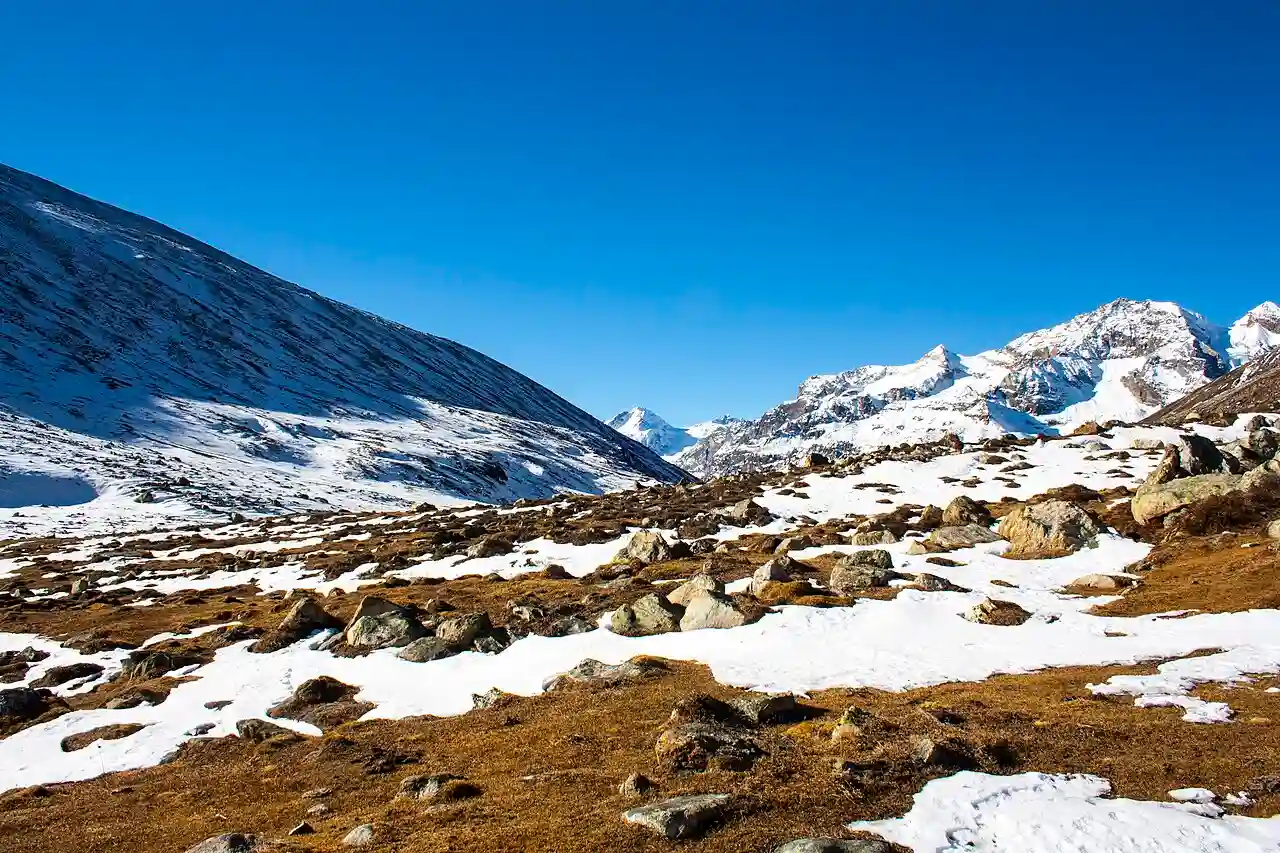
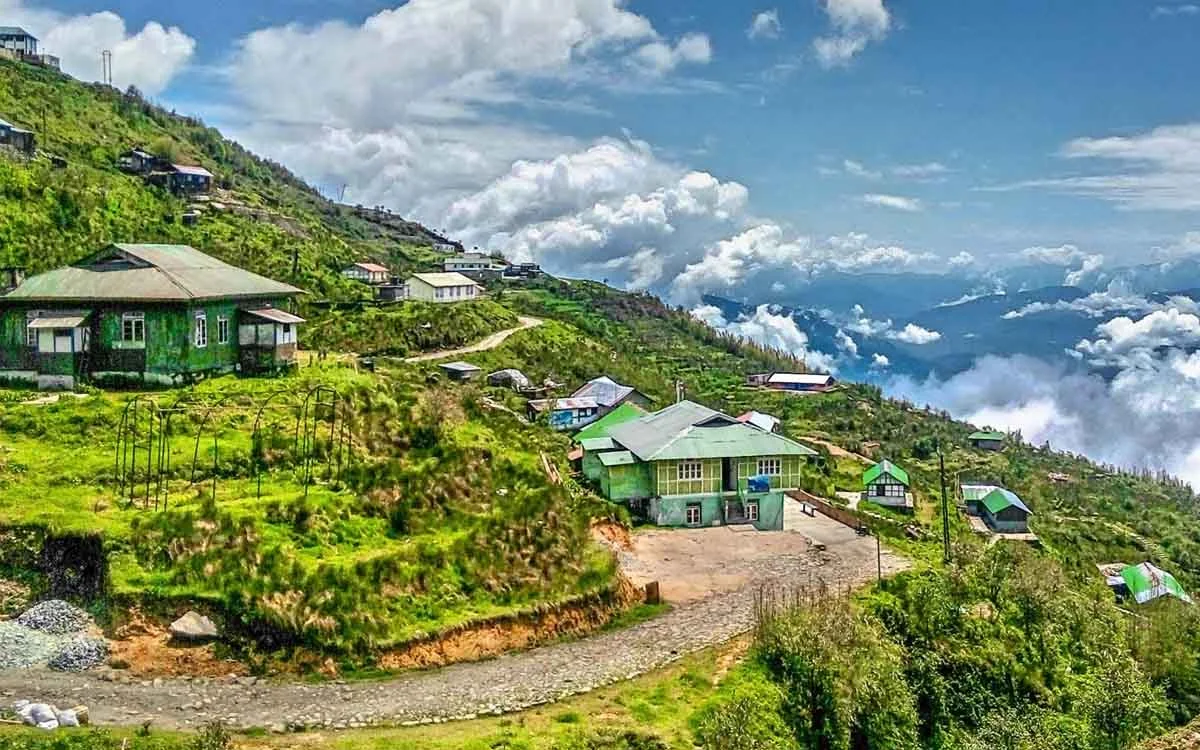
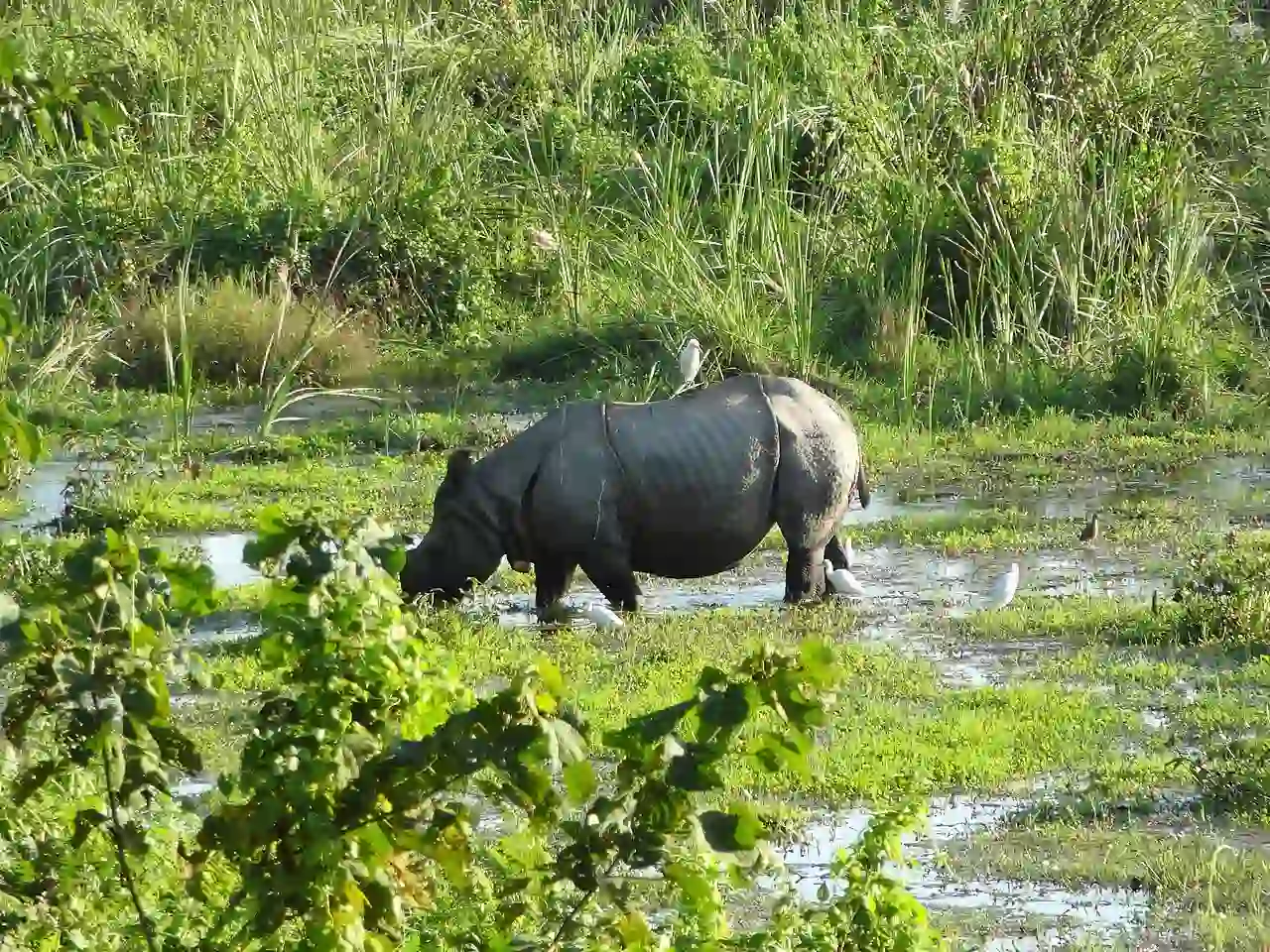
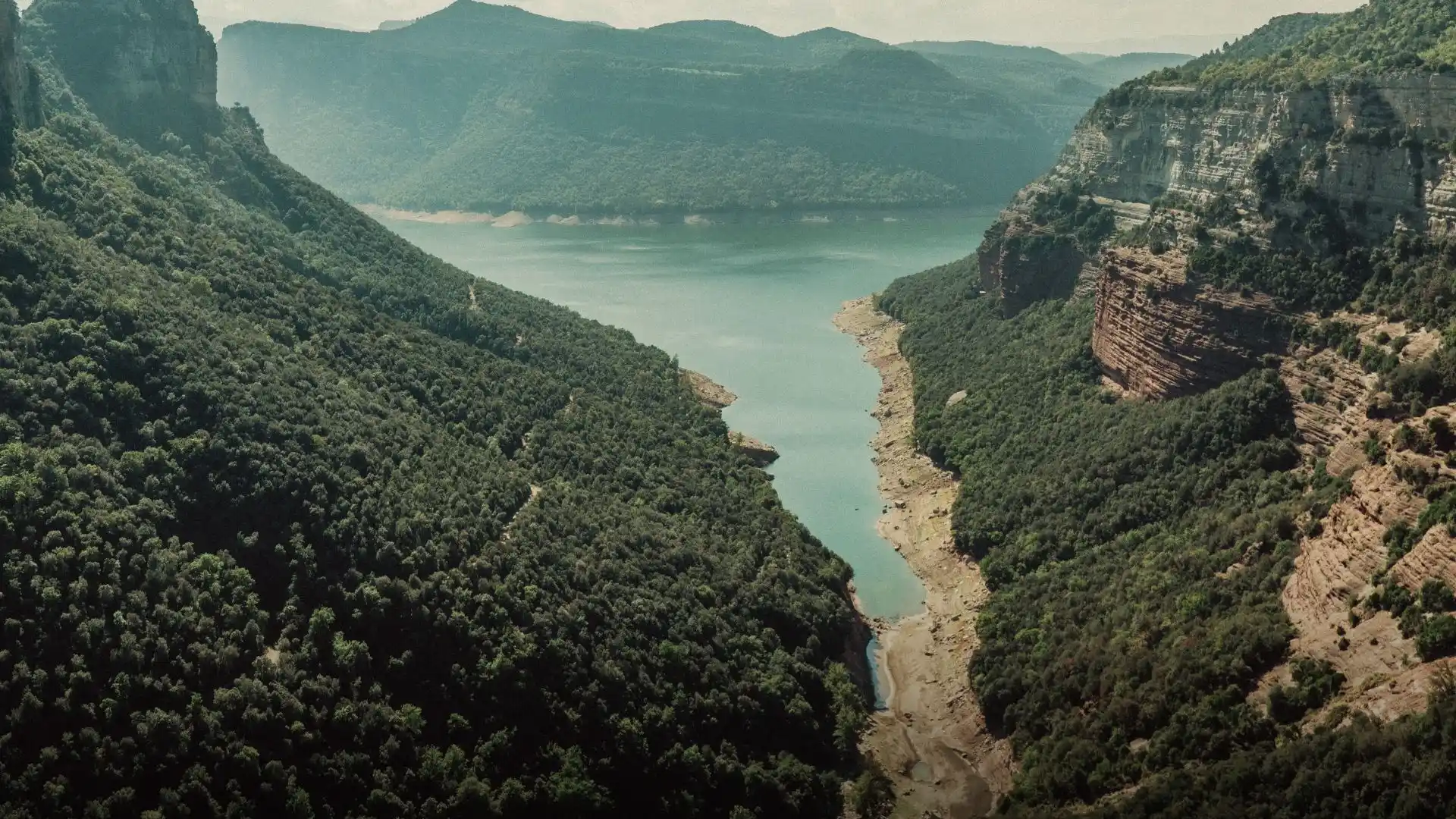
Tucked away between the Himalayas and Southeast Asia, North East India is a region of remarkable landscapes and cultural diversity. Comprising states such as Assam, Meghalaya, Arunachal Pradesh, Nagaland, Manipur, Mizoram, and Tripura, this part of India feels distinct from the rest of the country in both geography and culture. The region is defined by rolling hills, dense forests, powerful rivers, and peaceful villages that have preserved their traditions for generations. Travelers who venture here often discover a quieter, more intimate side of India, far from the well-known tourist routes. One of the most famous landscapes of the region is Assam’s tea country, where endless rows of tea bushes stretch across gentle hills. Assam is also home to the mighty Brahmaputra River, one of Asia’s great waterways, which shapes the life and culture of the region. Wildlife lovers are drawn to Kaziranga National Park, a UNESCO World Heritage site known for its population of the rare one-horned rhinoceros, as well as elephants, wild buffalo, and diverse birdlife. In Meghalaya, often called the “abode of clouds,” travelers encounter mist-covered hills, waterfalls, and lush valleys. The region is famous for its living root bridges, unique structures formed by guiding the roots of ancient trees across rivers. Villages such as Cherrapunji and Mawlynnong offer peaceful surroundings and fascinating local traditions. Further north, Arunachal Pradesh offers dramatic mountain scenery and remote monasteries influenced by Tibetan culture. This state remains one of the least visited regions of India, making it ideal for travelers seeking untouched landscapes and authentic Himalayan culture. The region is also known for its vibrant tribal heritage. Festivals, traditional crafts, and local cuisine reflect the diversity of the communities who have lived in these hills for centuries. Events such as the Hornbill Festival in Nagaland bring together music, dance, and cultural traditions from across the region. The best time to visit North East India is generally between October and April, when the weather is pleasant and ideal for exploring hills, forests, and national parks. During these months, the landscapes are lush and the skies are often clear. North East India offers travelers a rare opportunity to explore a region where nature and tradition remain deeply connected. It is a destination that rewards curiosity and invites visitors to slow down and discover a different rhythm of travel.
Curated Experiences
Handpicked destinations and activities for authentic cultural immersion.
Small Groups
Intimate group sizes for personalized attention and deeper connections.
Sustainable Travel
Eco-friendly practices supporting local communities and environments.
Safety First
Comprehensive safety measures for worry-free exploration.
Travel makes one modest. You see what a tiny place you occupy in the world.
North East India is a destination for travelers who seek something different. From tea-covered hills and powerful rivers to tribal festivals and untouched forests, the region offers experiences that feel both authentic and deeply memorable. For those willing to explore beyond the familiar, North East India reveals one of the most captivating and unexplored corners of the country.
Explore Beautiful Destinations
Discover amazing places around the world


North East India
North East India – A Hidden World of Hills, Forests, and Living Traditions
Explore Now