Trip Description
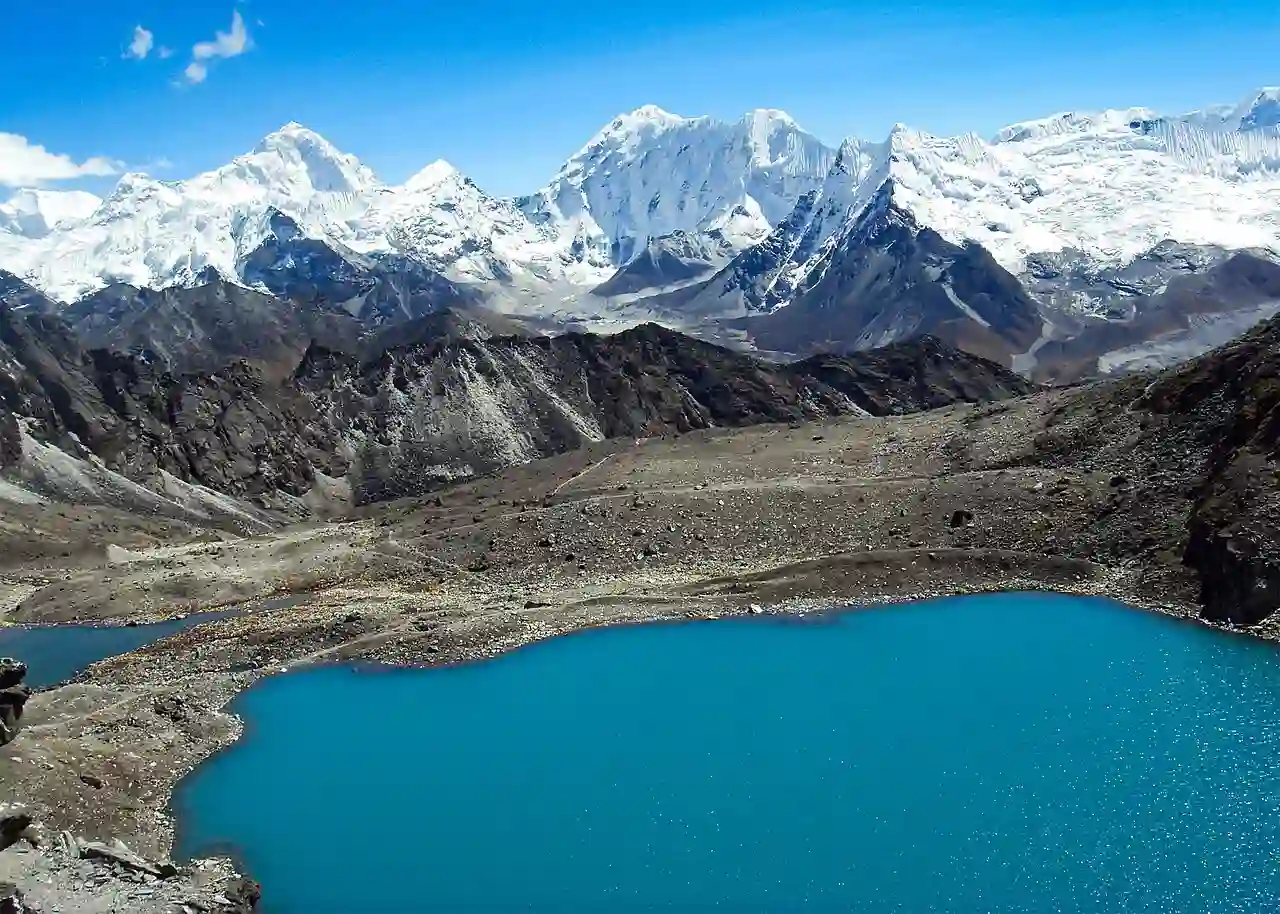
Winter transforms Ladakh completely. The light sharpens, the air dries, and the mountains feel closer, as if the landscape has stepped forward into silence. This season is also marked by some of Ladakh’s most powerful spiritual gatherings. The Stok and Matho festivals bring together masked dances, ritual music, and moments of trance that feel both ancient and vividly alive, rooted in Himalayan Buddhism and older layers of mountain belief. Between these celebrations, you walk from village to village through the Sham Valley, staying in local homes and sharing the slow rhythm of winter life. The journey weaves together high culture and daily simplicity, monasteries and open plateaus, sacred courtyards and quiet kitchens warmed by tea.
DAY 1 – Arrival in Delhi and connection onward
DAY 2 – Delhi to Leh by flight and acclimatization
DAY 3 – Stok Festival and return to Leh
DAY 4 – Alchi and Likir monasteries, then trek to Yangthang
DAY 5 – Yangthang to Hemis Shukpachan
DAY 6 – Hemis Shukpachan to Temisgam
DAY 7 – Matho Festival and return to Leh
DAY 8 – Indus Valley monasteries including Shey, Thiksey, and Hemis
DAY 9 – Spituk and Phyang monasteries, evening at leisure in Leh
DAY 10 – Shanti Stupa and Sankar Monastery
DAY 11 – Leh to Delhi by flight
DAY 12 – Delhi at leisure and departure planning
Accommodation plays an important role in shaping your experience of India. From historic palaces and elegant heritage residences to charming boutique hotels and peaceful jungle lodges, the country offers an extraordinary variety of places to stay.
SkyZeg Hotel Selection
At SkyZeg, we carefully select hotels that combine comfort, character, and a strong sense of place. Each property is chosen for its atmosphere, service quality, and location, ensuring that your stay complements the journey you are taking through the country.
🏛 Heritage Palaces
Many hotels in India are former royal residences and restored palaces that showcase the country’s regal history and architectural elegance.
🏨 Boutique & City Hotels
In major cities, we often select well located boutique or modern hotels that allow easy access to historic neighborhoods, cultural landmarks, and local experiences.
🌿 Nature & Retreat Lodges
In more remote regions, accommodation may include peaceful jungle lodges, scenic countryside retreats, and resorts surrounded by nature.
Many hotels across India reflect the country’s rich architectural traditions. Former royal residences, colonial era mansions, and restored heritage homes have been transformed into elegant hotels where hospitality remains deeply rooted in tradition.
✔ Accommodation Details
All accommodations included in your itinerary are personally reviewed and selected for their reliability, comfort, and service standards. Rooms are usually arranged on a double occupancy basis, with daily breakfast included.
Your final hotel selection will be shared in your detailed travel proposal, allowing you to review each property before confirming your journey.
✨ Personalized Stay
If you prefer a particular style of accommodation — such as luxury heritage hotels, boutique retreats, or modern five-star properties — our team will be happy to tailor the selection according to your preferences.
Each SkyZeg journey is thoughtfully designed around your travel plans, preferred hotels, and the experiences you would like to include. Once your itinerary is prepared, our team will share a detailed proposal outlining all services and pricing.
Below is a general overview of what is typically included and not included in the trip cost.
🌤 Best Time to Travel
India’s climate varies greatly depending on region and altitude. In general, the most comfortable time to travel across much of the country is between October and March, when temperatures are pleasant and rainfall is limited.
Northern regions and desert landscapes enjoy cool mornings and warm afternoons during this period, making it ideal for cultural journeys and city exploration.
Coastal areas and the southern part of the country remain warm throughout the year but are especially enjoyable during winter when humidity is lower.
The monsoon season (June – September) brings lush green landscapes, though rainfall can affect travel plans in some regions.
Mountain regions follow a different rhythm depending on altitude, with some areas best visited in spring and autumn.
🚗 Getting Around
India is vast and diverse, and travel between regions often involves a mix of transportation methods.
Domestic flights connect major cities efficiently, while private vehicles are commonly used for exploring cultural routes and countryside landscapes.
Train journeys remain an iconic way to experience India and offer insight into everyday life across the country.
Road travel may take longer than expected due to traffic and varied terrain, so itineraries are often planned with comfortable travel times and regular breaks.
💰 Currency and Payments
The official currency is the Indian Rupee (INR).
ATMs are widely available in cities and larger towns, and major credit cards are accepted in many hotels, restaurants, and shops.
When traveling outside major urban areas, carrying some cash for local markets and smaller purchases is recommended.
Currency exchange services are easily available at airports, banks, and authorized exchange offices.
🌐 Language and Communication
India is home to many languages and dialects. Hindi is widely spoken in many regions, while English is commonly used in tourism, business, and major cities.
Mobile networks are widely available and most hotels provide internet access.
Local prepaid SIM cards can easily be purchased for longer stays.
🍲 Food and Dining
Indian cuisine reflects the country’s incredible diversity, with each region offering distinct flavors and culinary traditions.
Travelers can enjoy everything from vibrant street food culture to refined regional dining experiences.
It is recommended to drink bottled or filtered water and enjoy freshly prepared meals from reputable restaurants or hotels.
Vegetarian options are widely available, and most restaurants are happy to adjust spice levels upon request.
🧣 Clothing and Cultural Etiquette
India is culturally diverse and welcoming to visitors. In major cities, both Western and traditional clothing are common.
In religious sites and traditional areas, modest dress is appreciated.
Carrying a light scarf or shawl can be useful when visiting temples or protecting from sun and dust.
Comfortable walking shoes are recommended as many historic sites are best explored on foot.
🏥 Health and Practical Advice
Most popular travel regions in India are considered safe for international visitors.
Basic precautions such as drinking clean water, using mosquito repellent in tropical areas, and having travel insurance are recommended.
Medical facilities in major cities are generally of good quality, and pharmacies are widely available.
🛡 Safety
India welcomes millions of visitors each year and is known for its strong tradition of hospitality.
As with travel anywhere in the world, simple precautions help ensure a smooth journey.
Keeping valuables secure, staying aware in busy areas, and following local guidance are easy ways to travel comfortably.
Start Planning Your Journey
Departure Month
January 2026
Duration
12 Days / 11 Nights
Group Size
According To Need
Location
Ladakh, North India
€0/-
Per PersonIncluded in Your Trip:
- All necessary arrangements
- Support throughout your journey
- Essential travel services
- Assistance for smooth planning
Skyzeg
Your request has been submitted.
Our team will contact you shortly.
Each destination has its own charm and story. We've selected not only the best places to visit but also hand-picked hotels to ensure your comfort. We also offer options based on your budget and travel style.